
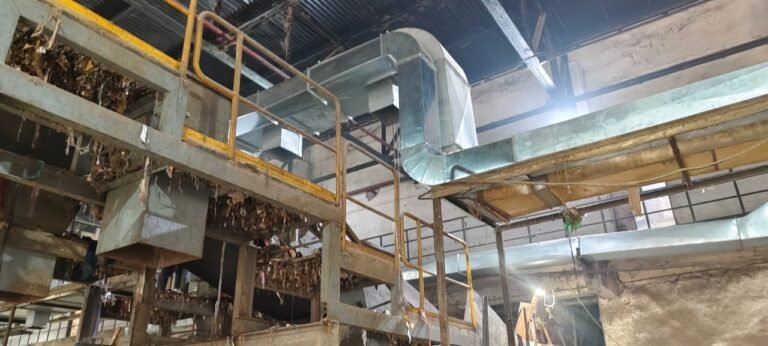
Industrial plants, manufacturing units and commercial facilities often operate equipment and pipelines at very high temperatures. Boilers, furnaces, steam pipelines, hot water lines, exhaust systems and process equipment generate substantial heat during operation. Without proper insulation, a significant amount of this heat can be lost to the surrounding environment.
This is where Hot Insulation Services become essential.
Hot insulation is designed to reduce unwanted heat loss, maintain process temperatures, improve energy efficiency and reduce the temperature of exposed surfaces. A properly designed and professionally installed insulation system can also contribute to workplace safety and help protect industrial equipment.
For industries in Delhi NCR and surrounding areas, choosing an experienced Hot Insulation Contractor can make a major difference in the efficiency and reliability of high-temperature systems.
What Is Hot Insulation?
Hot insulation is a specialized thermal insulation system used on equipment and surfaces that operate at elevated temperatures.
The primary purpose is to minimize heat transfer from hot equipment or pipelines to the surrounding environment. It is commonly used on:
- Steam pipelines
- Boilers
- Furnaces
- Hot water pipelines
- Heat exchangers
- Process vessels
- Tanks
- Thermic fluid pipelines
- DG set exhaust pipes
- Generator silencers
- Industrial process equipment
The insulation material, thickness and protective covering are selected according to the operating temperature, equipment type, environmental conditions and project requirements.
Why Are Hot Insulation Services Important?
Heat loss is a common concern in industrial operations. When hot pipelines, boilers or process equipment remain uninsulated, heat continuously escapes into the surrounding environment.
Professional hot insulation can help address several of these challenges.
1. Reduces Heat Loss
One of the primary purposes of hot insulation is to reduce heat loss from hot surfaces. This helps retain thermal energy within the system and can support more efficient industrial operations.
2. Improves Energy Efficiency
When less heat is lost, the system may require less energy or fuel to maintain its desired operating temperature. This can contribute to improved overall energy efficiency.
3. Helps Maintain Process Temperature
Many industrial processes require specific temperatures for efficient operation. Proper insulation helps reduce temperature fluctuations and supports more consistent process conditions.
4. Improves Workplace Safety
Uninsulated hot surfaces can create burn hazards for employees working around boilers, pipelines and machinery. Hot insulation can reduce the surface temperature and help create a safer working environment.
5. Protects Industrial Equipment
Proper insulation can help reduce excessive heat exposure around equipment and surrounding components. In appropriate applications, this can contribute to better equipment performance and longer service life.
6. Reduces Operating Costs
Reducing unnecessary heat loss can help industries optimize fuel and energy consumption. Over time, improved thermal efficiency may contribute to lower operating expenses.
Common Applications of Hot Insulation
Hot insulation is used across many industrial and commercial applications.
Steam Pipeline Insulation
Steam pipelines operate at high temperatures and can lose considerable heat when they are not properly insulated.
Steam pipe insulation helps retain heat within the pipeline, improve thermal efficiency and reduce the temperature of the outer surface.
Professional insulation should be selected according to the steam temperature, pipe size, operating conditions and required insulation thickness.
Boiler Insulation
Boilers are one of the most important applications for hot insulation. Boiler surfaces can reach extremely high temperatures, making thermal insulation important for both energy efficiency and safety.
A properly insulated boiler can help minimize heat loss and maintain better thermal performance.
Hot Water Pipeline Insulation
Hot water systems are commonly used in factories, hotels, hospitals, commercial buildings and industrial facilities.
Insulating hot water pipelines helps reduce heat loss as hot water travels from the heating source to the point of use.
DG Set Exhaust & Silencer Insulation
Generator exhaust systems operate at high temperatures. Exhaust pipes and silencers can radiate significant heat into the surrounding environment.
Hot insulation around DG set exhaust pipes and silencers can help reduce heat radiation and lower surface temperatures around the system.
VoltaicSafe lists Generator Silencer Pipe Insulation Service among its insulation offerings.
Industrial Vessel Insulation
Process vessels and storage vessels may contain materials that need to remain at a particular temperature.
Vessel insulation helps control heat transfer and can be designed according to the operating temperature and vessel configuration.
Furnace & High-Temperature Equipment
Furnaces and other high-temperature industrial equipment require insulation systems capable of handling demanding operating conditions.
The choice of material should be based on temperature rating, thermal conductivity, mechanical requirements and the specific application.
Materials Used for Hot Insulation
There is no single insulation material that is suitable for every high-temperature application. Material selection depends on operating conditions and project specifications.
Common materials include:
Rock Wool / Mineral Wool
Rock wool and mineral wool are widely used for industrial thermal insulation applications. They can provide good thermal resistance and are suitable for various pipelines, boilers and equipment.
Ceramic Fibre
Ceramic fibre is designed for high-temperature applications where greater temperature resistance is required. It may be used around furnaces, kilns and other high-temperature equipment.
Calcium Silicate
Calcium silicate is commonly used in industrial high-temperature insulation systems and can be suitable for pipes and equipment depending on the application.
Glass Wool
Glass wool is commonly used for thermal and HVAC insulation applications where the operating conditions are appropriate.
Protective Cladding
After the insulation layer is installed, protective cladding may be applied to protect the insulation from mechanical damage, moisture and environmental exposure.
The correct material should always be selected according to the actual operating temperature and application rather than simply choosing the lowest-cost option.
What Is the Hot Insulation Installation Process?
Professional installation generally involves several important stages.
Step 1: Site Inspection
The insulation contractor first evaluates the equipment, pipeline or surface that needs insulation.
Important factors include:
- Operating temperature
- Surface temperature
- Pipe or equipment dimensions
- Environmental conditions
- Accessibility
- Existing insulation condition
- Required insulation thickness
Step 2: Material Selection
The appropriate insulation material is selected based on the application and operating temperature.
Step 3: Surface Preparation
The surface is inspected and prepared before installation. Any damaged or unsuitable existing insulation may need to be removed or repaired.
Step 4: Insulation Installation
The insulation material is carefully fitted around the pipeline, equipment, vessel or other hot surface.
Proper joints and fitting are important because gaps can reduce insulation performance.
Step 5: Cladding & Protection
Depending on the application, metal cladding or another protective layer may be installed over the insulation.
This helps protect the insulation system against physical damage and environmental conditions.
Step 6: Final Inspection
The completed insulation system should be inspected to ensure proper coverage, secure fixing, suitable finishing and overall installation quality.
Signs That Your Industrial System May Need Hot Insulation
You may want to evaluate your insulation system if you notice:
- Excessive heat around pipelines
- Very hot exposed equipment surfaces
- High heat radiation in working areas
- Unexpected heat loss
- Difficulty maintaining process temperature
- Damaged or deteriorated insulation
- Exposed sections of previously insulated pipes
- Increased energy or fuel consumption
Regular inspection can help identify insulation problems before they become larger operational issues.
How to Choose the Right Hot Insulation Contractor?
Selecting the right contractor is an important part of any insulation project.
Experience
Look for a contractor with experience in industrial insulation applications such as boilers, steam pipelines, vessels and high-temperature equipment.
Technical Understanding
The contractor should understand operating temperatures, insulation thickness, material properties, cladding requirements and installation techniques.
Quality Materials
Good-quality insulation materials are important for achieving reliable thermal performance.
Professional Installation
Even a high-quality insulation material can perform poorly if it is incorrectly installed. Proper fitting, joint treatment and protective finishing are essential.
Customized Solutions
Every industrial application is different. A professional contractor should recommend an insulation system based on the actual equipment and operating conditions.
Hot Insulation Services by VoltaicSafe Insulation
VoltaicSafe Insulation provides insulation solutions for industrial and commercial applications in Delhi NCR and across India. The company’s listed insulation services include Hot Insulation Services, Hot Pipeline Insulation, Boiler Insulation, Steam Pipeline Insulation, Vessel Insulation and Generator Silencer Pipe Insulation.
The company has been operating as an insulation and related service provider since 2014 and offers insulation, ducting, fire pipeline and piping-related services.
For industrial projects, VoltaicSafe focuses on application-specific insulation solutions based on the requirements of the equipment and site.
Benefits of Professional Hot Insulation Services
Choosing professional installation can provide several advantages:
- Better control of heat transfer
- Reduced unwanted heat loss
- Improved energy efficiency
- Better workplace safety
- Protection of insulation materials
- Improved process temperature control
- Reduced heat radiation
- Professional finishing and cladding
- Long-term performance when properly maintained
The actual savings and performance benefits depend on factors such as operating temperature, insulation material, thickness, installation quality and system design.
Maintenance of Hot Insulation
Installing insulation is not the end of the process. Regular inspection and maintenance are also important.
Check periodically for:
- Damaged cladding
- Wet or deteriorated insulation
- Open joints
- Missing insulation sections
- Corrosion or surface damage
- Loose fixing
- Physical impact damage
Damaged insulation should be repaired as soon as practical to maintain system performance.
Frequently Asked Questions About Hot Insulation
What is hot insulation used for?
Hot insulation is used to reduce heat loss from high-temperature equipment, pipelines and industrial systems. Common applications include boilers, steam pipelines, furnaces, hot water lines, vessels and exhaust systems.
Which material is best for hot insulation?
There is no universal best material. The correct choice depends on operating temperature, equipment type, environmental conditions, required thickness and project specifications.
Is boiler insulation important?
Yes. Proper boiler insulation can help reduce heat loss, improve thermal efficiency and lower the temperature of exposed surfaces around the boiler.
Can hot insulation be used on steam pipelines?
Yes. Steam pipelines are one of the common applications of hot insulation. Proper insulation helps reduce heat loss and maintain steam temperature.
How does hot insulation improve safety?
It can reduce the temperature of exposed surfaces and limit heat radiation, helping reduce the risk of accidental contact with extremely hot equipment.
Conclusion
Hot insulation is an important part of modern industrial energy management and workplace safety. From boilers and steam pipelines to vessels, hot water lines and DG set exhaust systems, the right insulation system can help control heat transfer, reduce unnecessary heat loss and support efficient operation.
However, insulation performance depends on more than just the material. Correct material selection, appropriate thickness, professional installation, proper joint treatment and protective cladding all play an important role.
If you are looking for reliable Hot Insulation Services in Delhi NCR, VoltaicSafe Insulation can provide application-focused insulation solutions for industrial and commercial requirements.
For more information about hot insulation services and other insulation solutions, visit:
VoltaicSafe Insulation
Website: https://voltaicsafeinsulation.com/
Mobile: +91-7065390591
Email: sales@voltaicsafe.in