In many industrial, commercial and HVAC systems, maintaining a low temperature is essential for efficient operation. Chilled water pipelines, refrigeration systems, cold storage units, air-conditioning systems and process equipment all depend on effective temperature control.
However, when cold surfaces are exposed to warmer surroundings, heat naturally moves toward the colder surface. This can increase energy consumption, cause condensation and affect the efficiency of the entire system.
This is why Cold Insulation Services are an important part of modern industrial and commercial temperature-control systems.
Professional cold insulation helps reduce unwanted heat gain, maintain the required low temperature, control condensation and improve the overall thermal efficiency of chilled systems.
For industries and businesses in Delhi NCR, selecting an experienced Cold Insulation Service Provider can help ensure reliable performance and long-term protection of cold equipment and pipelines.
What Is Cold Insulation?
Cold insulation is a specialized insulation system designed to protect low-temperature pipes, equipment and surfaces from heat entering from the surrounding environment.
Unlike hot insulation, where the primary objective is to prevent heat from escaping, cold insulation focuses on preventing heat from entering the cold system.
Cold insulation is commonly used for:
- Chilled water pipelines
- HVAC systems
- Refrigeration pipelines
- Air-conditioning systems
- Cold storage facilities
- Chilled water tanks
- Refrigeration equipment
- Process cooling systems
- Cold vessels and equipment
- Low-temperature industrial pipelines
An effective cold insulation system normally includes suitable insulation material, correct thickness, proper joint treatment and an effective vapour barrier.
Why Is Cold Insulation Important?
Cold insulation plays an important role in maintaining the efficiency and reliability of low-temperature systems.
1. Prevents Heat Gain
When a cold pipe or piece of equipment is surrounded by warmer air, heat naturally transfers toward the cold surface. Insulation slows this heat transfer and helps maintain the required temperature.
2. Controls Condensation
Condensation is one of the biggest concerns with cold pipelines and HVAC systems.
When the surface temperature of a cold pipe falls below the surrounding air’s dew point, moisture can form on the surface. Proper cold insulation with an effective vapour barrier helps prevent warm, humid air from reaching the cold surface.
3. Improves Energy Efficiency
If a chilled-water or refrigeration system gains excessive heat from the surroundings, the cooling system may have to work harder to maintain the required temperature.
Good insulation reduces unwanted heat gain and can support more efficient system operation.
4. Maintains Process Temperature
Many industries depend on specific temperatures for their manufacturing or storage processes.
Proper cold insulation helps maintain temperature conditions and minimizes unnecessary temperature fluctuations.
5. Protects Pipes and Equipment
Persistent condensation can lead to moisture-related problems, corrosion and deterioration of surrounding materials.
A properly designed insulation system provides an additional layer of protection around cold pipes and equipment.
6. Reduces Operating Costs
By minimizing heat gain and improving thermal efficiency, cold insulation can help reduce unnecessary cooling loads. The actual cost savings depend on the system design, insulation material, thickness and operating conditions.
Common Applications of Cold Insulation Services
Cold insulation is used in a wide range of industries and commercial facilities.
Chilled Water Pipe Insulation
Chilled water pipelines are widely used in centralized air-conditioning and HVAC systems.
Because chilled water is maintained at a temperature below the surrounding air temperature, uninsulated or poorly insulated pipes can absorb heat and develop condensation.
Proper chilled water pipe insulation helps:
- Reduce heat gain
- Maintain chilled-water temperature
- Control condensation
- Improve HVAC efficiency
- Protect surrounding areas from moisture
HVAC Insulation
HVAC systems are one of the most common applications for cold insulation.
Chilled water pipes, refrigeration lines and certain air-conditioning components require appropriate insulation to maintain thermal performance.
Proper insulation can help HVAC systems operate more efficiently by reducing unwanted heat transfer.
Refrigeration Pipeline Insulation
Refrigeration systems depend on maintaining specific temperatures throughout the refrigeration cycle.
Insulating refrigeration pipes helps reduce heat transfer from the surrounding environment and supports efficient system performance.
Cold Storage Insulation
Cold storage facilities require effective temperature control because products may need to remain within a specific temperature range.
Cold insulation can be used as part of a broader thermal-control strategy for refrigeration equipment and associated piping.
Chilled Water Tank Insulation
Chilled water tanks can also benefit from insulation to reduce heat gain from the surrounding environment.
The insulation system can be selected according to tank size, operating temperature, location and environmental conditions.
Industrial Process Cooling
Many manufacturing and processing industries use chilled fluids for cooling equipment or controlling production temperatures.
Insulating these pipelines and process equipment helps reduce unwanted heat gain and maintain required operating conditions.
Materials Used for Cold Insulation
Selecting the correct insulation material is an important part of a successful cold insulation project.
Depending on the application, common materials may include:
Nitrile Rubber / Elastomeric Insulation
Elastomeric insulation is widely used for HVAC and chilled-water applications. Its closed-cell structure can provide good resistance to moisture when properly installed and sealed.
Polyurethane Foam (PUF)
PUF provides good thermal insulation performance and may be used for refrigeration, chilled systems and other low-temperature applications.
Polyisocyanurate (PIR)
PIR insulation can provide good thermal performance and is used in various industrial and refrigeration applications depending on project requirements.
Glass Wool
Glass wool can be used for certain thermal and HVAC applications when combined with an appropriate vapour-control system and installation method.
Protective Cladding
In exposed industrial environments, protective cladding may be installed over the insulation system to protect it from mechanical damage, moisture and environmental exposure.
The most suitable material depends on the operating temperature, required thermal performance, moisture conditions, location and project specifications.
What Is a Vapour Barrier and Why Is It Important?
A vapour barrier is a critical component of many cold insulation systems.
Cold surfaces can attract moisture from warm and humid surrounding air. If moisture enters the insulation, the insulation may become wet and lose thermal performance.
A properly installed vapour barrier helps prevent water vapour from reaching the cold surface.
Therefore, cold insulation installation should not focus only on the insulation material. Joints, seams, penetrations and vapour-barrier continuity are equally important.
Cold Insulation Installation Process
Professional installation generally involves several stages.
Step 1: Site Inspection
The contractor evaluates the pipe, equipment or system requiring insulation.
Factors such as operating temperature, pipe diameter, equipment dimensions, location and environmental conditions are considered.
Step 2: Material Selection
The insulation material and required thickness are selected according to the operating conditions and project requirements.
Step 3: Surface Preparation
The surface should be inspected and prepared before installation. Any existing damaged insulation may need to be removed or repaired.
Step 4: Insulation Installation
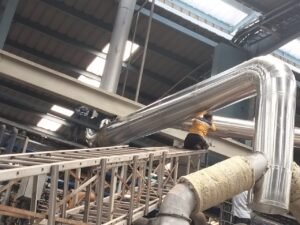
The insulation is carefully fitted around the pipe or equipment.
Proper fitting is essential because gaps and compression can reduce insulation performance.
Step 5: Vapour Barrier Sealing
Joints, seams and penetrations are properly sealed to reduce the possibility of moisture and vapour entering the insulation system.
Step 6: Protective Finish
Depending on the environment, an appropriate protective finish or cladding may be installed.
Step 7: Final Inspection
The completed insulation system should be inspected for gaps, damaged areas, open joints and proper vapour-barrier continuity.
Signs That Your Cold Insulation Needs Attention
A cold insulation system may require inspection or replacement if you notice:
- Water droplets forming on cold pipes
- Condensation around chilled-water lines
- Wet insulation
- Damaged insulation covering
- Visible gaps at joints
- Frost formation in unexpected areas
- Corrosion around insulated pipes
- Increased cooling-system workload
- Difficulty maintaining the required temperature
Ignoring these signs can result in reduced thermal performance and moisture-related problems.
Benefits of Professional Cold Insulation Services
Professional cold insulation installation can offer several advantages:
- Reduced heat gain
- Better temperature control
- Improved HVAC efficiency
- Condensation prevention
- Moisture protection
- Better protection of pipelines and equipment
- Reduced cooling load
- Improved system reliability
- Longer-lasting insulation performance
The actual results depend on correct design, material selection, installation quality and operating conditions.
How to Choose the Right Cold Insulation Contractor?
Choosing an experienced insulation contractor is important for achieving reliable results.
Technical Experience
The contractor should understand chilled-water, refrigeration and low-temperature insulation requirements.
Correct Material Selection
The insulation material should be selected according to operating temperature, moisture conditions and application.
Proper Thickness
Insulation thickness should be selected according to the required thermal performance and operating conditions.
Vapour-Sealing Expertise
Cold insulation requires careful attention to vapour barriers and sealed joints. Poor sealing can allow moisture to enter the insulation.
Quality Installation
Professional fitting, joint treatment and finishing are essential for long-term insulation performance.
Cold Insulation Services by VoltaicSafe Insulation
VoltaicSafe Insulation provides professional insulation solutions for industrial, commercial and HVAC applications.
The company offers insulation solutions designed to address different thermal requirements, including cold insulation for chilled systems, pipelines, HVAC applications and industrial equipment.
With an application-focused approach, VoltaicSafe Insulation can help businesses identify suitable insulation solutions based on operating conditions, equipment requirements and site environment.
For projects where temperature control, condensation prevention and energy efficiency are important, professionally installed cold insulation can be a valuable long-term investment.
Cold Insulation vs Hot Insulation
Although both are thermal insulation systems, their primary objectives are different.
| Hot Insulation | Cold Insulation |
|---|---|
| Prevents heat from escaping | Prevents heat from entering |
| Used for high-temperature systems | Used for low-temperature systems |
| Common on boilers and steam pipes | Common on chilled water and refrigeration pipes |
| Focuses on heat-loss reduction | Focuses on heat-gain reduction |
| Surface-temperature reduction is important | Condensation and vapour control are critical |
Understanding this difference is important when selecting an insulation system for your project.
Maintenance Tips for Cold Insulation
Regular inspection can help maintain the performance of cold insulation.
Check for:
- Damaged outer covering
- Open seams or joints
- Wet insulation
- Condensation
- Corrosion
- Missing insulation sections
- Physical damage
- Damaged vapour barriers
Any damaged section should be repaired promptly to reduce the risk of further deterioration.
Frequently Asked Questions About Cold Insulation
What is cold insulation used for?
Cold insulation is used to reduce heat gain on low-temperature pipelines, equipment and systems. It is commonly used in HVAC, refrigeration, chilled-water and industrial cooling applications.
Why does condensation occur on cold pipes?
Condensation occurs when a cold surface reaches a temperature below the dew point of the surrounding air. Proper insulation and vapour-barrier sealing help control this problem.
What is the best material for cold insulation?
There is no single material that is best for every application. Elastomeric rubber, PUF, PIR and other materials may be suitable depending on temperature, moisture conditions and project requirements.
Is insulation required for chilled water pipes?
Yes, appropriate insulation is generally important for chilled water pipes to reduce heat gain and control condensation.
Can cold insulation reduce energy consumption?
Cold insulation can reduce unwanted heat gain, which may help reduce the cooling load. The actual energy savings depend on system design, insulation thickness, operating conditions and installation quality.
Conclusion
Cold insulation is an essential part of many HVAC, refrigeration and industrial cooling systems. By reducing unwanted heat gain and controlling condensation, a properly designed insulation system can help maintain temperature, protect equipment and support efficient operation.
From chilled water pipelines and HVAC systems to refrigeration equipment, cold storage and industrial process cooling, the right insulation solution can provide significant operational benefits.
However, successful cold insulation depends on more than selecting an insulation material. Correct thickness, professional installation, properly sealed joints and an effective vapour barrier are all essential for long-term performance.
If you are looking for Cold Insulation Services in Delhi NCR, VoltaicSafe Insulation can provide professional insulation solutions for industrial, commercial and HVAC requirements.
For more information and insulation solutions, visit:
VoltaicSafe Insulation
Website: https://voltaicsafeinsulation.com/
Mobile: +91-7065390591